
Color
Color
Diamond color refers to how “white” a diamond appears. In most cases, the less color you see, the more desirable the stone is — and the more expensive it becomes. That said, color should never be judged alone; it must be balanced with cut, clarity, and carat.
Smart buying: A beautifully cut diamond can look brighter and “whiter” than a higher color grade with weaker cut or light performance.
How color is graded
Color is typically graded on a scale (commonly D–Z). Differences can be subtle, especially once a diamond is mounted. Lighting, background, and metal color can influence how color appears in real life.
- Metal matters: White metals can emphasize whiteness; yellow/rose gold can make near-colorless diamonds look even warmer and richer.
- Lighting matters: Always compare under similar lighting conditions when possible.
- Balance wins: Don’t overpay for one “C” — choose a diamond that performs beautifully overall.
Color Examples
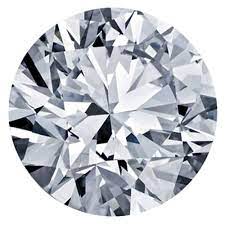
Color 1 (brighter)
Color 2 (neutral)
Color 3 (warmer)
These are visual examples for education. For exact grades, always rely on consistent grading and trusted sourcing.
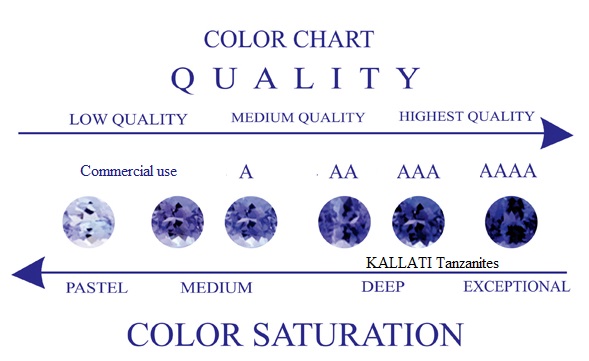
Tip: Once set in jewelry, close color grades can look very similar — overall performance matters most.
Our standard at DHM
At Diamond History Museum, we select diamonds that deliver exceptional brightness and beauty without overpaying for “paper upgrades.” Our approach prioritizes real-world performance and honest, consistent grading.
Confidence: Every recommendation should be made with transparency — because trust is everything in fine jewelry.
Beautiful diamonds are about balance — and balance is what we stand for.
Want help choosing the right color for your budget?
Speak with a specialist or explore the collection.