
About The 4Cs (Diamond Eductation)
About The 4Cs (Diamond Education)
To buy a diamond with confidence, you need to understand the “4Cs”: Cut, Color, Clarity, and Carat Weight. These four factors work together to determine how a diamond looks — and how it’s priced.

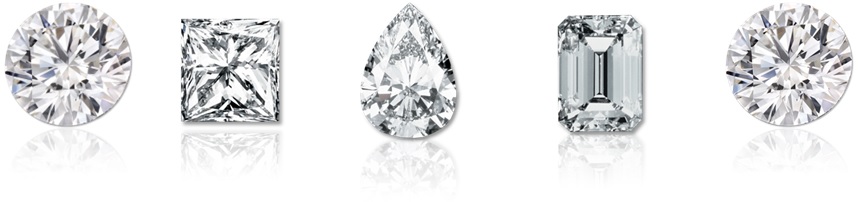
Quick tip: Don’t judge any single “C” alone — the best diamonds balance all four.
1) Cut (Polish)
Cut is one of the most important characteristics of a diamond. The cut/polish directly impacts the brilliance, fire, and sparkle of the stone. If workmanship is poor, even a high-grade diamond can appear dull or lifeless.
- If a diamond is cut too shallow, too deep, or unproportioned, its value is reduced.
- Many commercial diamonds (especially mass-market online or mall jewelry) are lower quality than they appear.
- Because cut differences can be hard to spot, choosing a trusted source matters.
DHM Standard: We stand behind honest grading and transparency — backed by our experience and a money-back guarantee.
2) Color
Color determines how “white” a diamond appears. Generally, the whiter the diamond, the more desirable it becomes. Many commercial diamonds fall into lower color ranges, even when they’re described as “better color.”
Color grading can be subjective unless it’s done by a reputable, consistent source. That’s why transparency and trust matter.
At DHM, we focus on top-quality color — typically F to H — with standards built on decades of experience.
3) Clarity
Clarity refers to natural inclusions or imperfections inside a diamond. The more inclusions a diamond has, the lower its clarity grade tends to be. Grades range from IF / VVS down to I3.
- Clarity should be chosen based on what’s visible to the eye — not just under magnification.
- Many commercial diamonds fall within the lower clarity ranges, even if labeled more generously.
- A well-cut diamond can help inclusions appear less noticeable.
DHM is proud to use only strong quality diamonds in our jewelry — typically VS1 to SI — selected for beauty, balance, and value.
4) Carat Weight
Carat weight represents the weight of the diamond. Typically, the heavier the diamond, the more expensive it becomes — but carat should always be considered together with cut, color, and clarity.
It’s smart to aim for balance. Without balance there is chaos — bigger is not always better.
Note: When diamonds are already mounted, carat weight is often estimated. True accuracy comes from reputable grading and trusted sourcing — especially when comparing prices.
Why DHM is different
DHM operates and manages key stages of production — including cutting, manufacturing, setting, polishing, and distribution — helping eliminate unnecessary middlemen and maintain consistent standards.
Trust, knowledge, and integrity — jewelry only fit for HISTORY.
Want help choosing the right balance of the 4Cs?
Speak with a specialist or explore the collection.